
Introduction to Insulated Glass
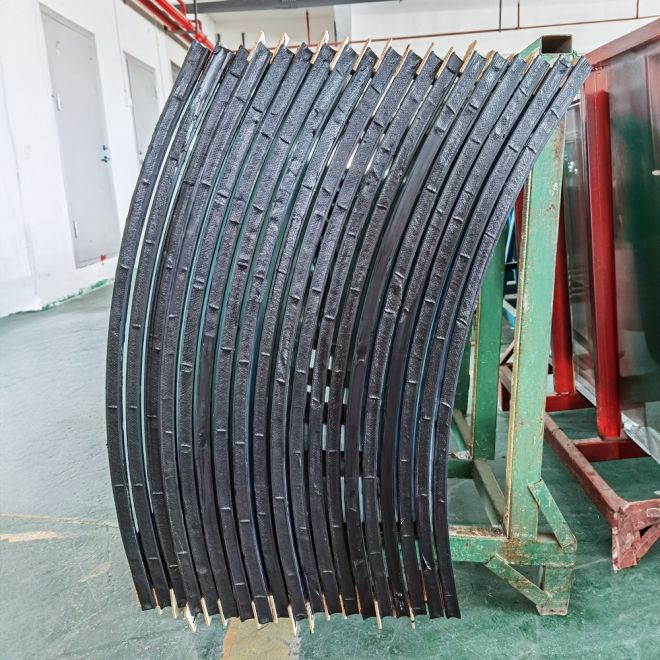
Insulated glass, often referred to as double glazing, has become an essential component in modern architecture, offering a balance of aesthetic appeal and functional benefits. The term "insulated glass" describes a construction technique that involves two or more panes of glass separated by a spacer and sealed to create a single unit. This structure is explicitly designed to enhance thermal performance, making spaces warmer in winter and cooler in summer. Given the increasing focus on energy efficiency and sustainability, it's no surprise that insulated glass is gaining popularity, especially in urban settings.
Components of Insulated Glass
● The Role of Glass Panes
The foundation of any insulated glass unit (IGU) is the glass panes themselves. Typically, two or more panes are used, creating an enclosed space that significantly boosts insulation. These panes can be clear or treated with low-emissivity (low-e) coatings to reduce heat transfer and improve energy efficiency further.● The Spacer and Insulating Layer
Between these glass panes lies a spacer, which maintains even separation and encloses the space filled with air or a noble gas. Spacers are crucial not only for structural integrity but also for minimizing heat transfer at the edges. Materials such as aluminum or foam are commonly used due to their stability and insulating properties.How Insulated Glass Works
● Heat Transfer Prevention
The core purpose of insulated glass is to minimize heat transfer between the interior and exterior environments. This is achieved by creating an air-tight seal around the glass panes, trapping a layer of air or gas that acts as an insulator. This barrier reduces the rate of heat conduction through the window, thereby enhancing the thermal efficiency of a building.● Importance of the Insulating Layer
The space between the panes, filled with air or inert gases like argon or krypton, plays a pivotal role in insulation. These gases are denser than air, reducing the convection currents that might otherwise transfer heat. As a result, the insulating layer is integral to maintaining the desired indoor climate, contributing to energy savings and comfort.Types of Inert Gases Used
● Argon and Krypton: Common Choices
In the realm of insulated glass, argon and krypton are the most prevalent choices for the insulating layer. Both gases are non-reactive and provide superior insulation compared to air, but they have distinct advantages.● Benefits of Each Gas
Argon gas is cost-effective and provides excellent insulation for standard-sized IGUs, while krypton, though more expensive, offers higher performance levels, particularly beneficial in thinner units. The choice often depends on budget constraints and specific insulation requirements, with krypton being the preferred option when superior performance is paramount.Advantages of Insulated Glass
● Energy Efficiency and Cost Savings
One of the primary advantages of insulated glass is its ability to enhance a building's energy efficiency. By reducing the reliance on artificial heating and cooling, insulated glass can lead to significant cost savings. Over time, these savings can more than offset the initial investment made in installing insulated glass units.● Noise Reduction Benefits
Beyond thermal performance, insulated glass also significantly dampens noise, providing a quieter indoor environment. This is particularly beneficial in urban areas where external noise can be a constant disruption. The buffer created by the multiple layers and gas-filled space acts as a formidable barrier against sound penetration.Applications of Insulated Glass
● Use in Residential Buildings
Insulated glass units are widely used in residential settings, providing homeowners with comfort and cost-efficiency. From windows to patio doors, the application of insulated glass ensures a consistent indoor temperature, enhancing the quality of life for occupants.● Implementation in Commercial Architecture
In the commercial sector, insulated glass is a staple in modern building design. Its application ranges from office buildings to retail spaces, where energy efficiency and occupant comfort are critical. The use of insulated glass in these environments not only helps in reducing energy costs but also supports sustainability goalsComparison with Traditional Glass
● Differences in Performance and Efficiency
Unlike traditional single-pane glass, insulated glass offers superior thermal performance and energy efficiency. The multi-layered construction significantly reduces heat transfer, resulting in lower energy consumption, which is critical in both residential and commercial applications.● Cost Comparison and Long-term Benefits
While the initial cost of insulated glass is higher than traditional glass, the long-term benefits outweigh this initial investment. The energy savings, noise reduction, and increased property value associated with insulated glass make it a wise choice for those looking to improve their building's efficiency and comfort.Environmental Impact of Insulated Glass
● Contribution to Energy Conservation
Insulated glass plays a crucial role in reducing a building's carbon footprint. By improving energy efficiency, it contributes to lower greenhouse gas emissions, helping to combat climate change. This is increasingly important as buildings account for a significant portion of global energy consumption.● Role in Sustainable Building Practices
As sustainability becomes a central focus in building design, insulated glass has emerged as a key element in green construction practices. Its ability to balance energy efficiency with aesthetic flexibility makes it an ideal component for sustainable architecture worldwide.Installation and Maintenance Tips
● Best Practices for Installation
Proper installation of insulated glass units is vital for maximizing their performance. Ensuring a tight seal and correct alignment during installation can prevent air leaks and maintain the unit's insulating properties. Professional installation is recommended to avoid common pitfalls and ensure the longevity of the glass.● Maintenance to Ensure Longevity and Performance
Regular maintenance can extend the life of insulated glass units, maintaining their effectiveness. This includes checking seals for integrity, cleaning the glass surfaces to prevent damage, and inspecting for any signs of condensation between panes, which could indicate a failure in the seal.Future Trends in Insulated Glass Technology
● Innovations in Materials and Design
The future of insulated glass technology is promising, with ongoing innovations in materials and design. Advances in low-e coatings, smart glass technology, and improved gas mixtures are set to enhance performance, making insulated glass even more efficient and versatile.● Potential Developments in Energy Efficienc
Future developments could lead to insulated glass that not only prevents heat transfer but also actively contributes to energy generation. With the integration of solar technologies, insulated glass might soon play a role in producing energy, further cementing its place in sustainable construction practices.Conclusion
Insulated glass represents a vital advancement in building technology, offering unparalleled benefits in energy efficiency, noise reduction, and environmental impact. As the demand for sustainable and efficient building materials continues to rise, insulated glass is set to play an increasingly critical role in modern architecture.
About KinginGlass
Hangzhou Kingin Glass Co., Ltd. is a prominent manufacturer and trading company specializing in a wide array of glass products for commercial refrigeration. With over a decade of experience, KinginGlass excels in producing Vertical Glass Doors, Curved Insulated Glass, and Low-E Tempered Glass. Committed to quality, innovation, and customer service, KinginGlass utilizes advanced equipment and skilled professionals to deliver superior glass solutions. The company's expansive facilities in Hangzhou allow for efficient production and global distribution, ensuring that KinginGlass remains at the forefront of the industry.