
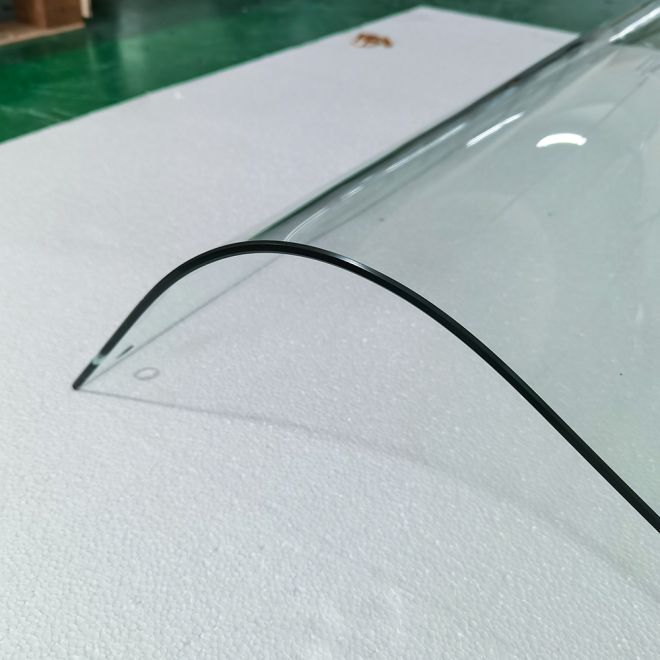
Introduction to Low-E Tempered Glass
In modern architecture and construction, energy efficiency has become a pivotal aspect of design. Among the numerous innovations propelling this shift, Low-E tempered glass stands as a cornerstone. But what does Low-E tempered glass mean, and why is it garnering such widespread acclaim? Known for its unique ability to improve thermal efficiency, Low-E tempered glass is revolutionizing the way we perceive and utilize glass in various applications. In this article, we’ll delve into the technicalities, benefits, and applications of Low-E tempered glass, while also exploring its market landscape, particularly focusing on wholesale suppliers and manufacturers from China.
How Low-E Coating Works
● Explanation of Emissivity
At the heart of Low-E, or low emissivity glass, is its innovative coating designed to minimize the amount of infrared and ultraviolet light that passes through the glass without compromising the amount of visible light transmitted. Emissivity is the measure of an object’s ability to emit infrared energy. By applying a microscopically thin layer of metallic oxide to the glass, Low-E glass effectively reduces the emissivity of the surface, resulting in remarkable energy efficiency.● Types of Low-E Coatings
There are primarily two types of Low-E coatings: passive Low-E coatings and solar control Low-E coatings. The passive coating is designed to reduce heat loss and is ideal for colder climates, while the solar control coating minimizes a structure's solar heat gain, making it perfect for warmer regions. This versatility allows Low-E glass to adapt to a variety of climatic conditions, enhancing its appeal across different geographical locations.Benefits of Low-E Tempered Glass
● Energy Efficiency and Savings
One of the significant advantages of Low-E tempered glass is its exceptional energy efficiency. By reflecting heat back to the source, Low-E glass helps maintain an optimal indoor temperature, reducing the need for excessive heating or cooling. This not only leads to significant cost savings on energy bills but also contributes to environmental sustainability by lowering carbon footprints.● Reduced Condensation and Glare
Another notable benefit of Low-E tempered glass is its ability to reduce condensation and glare. The specialized coating mitigates the formation of condensation on the glass surface, ensuring clear visibility at all times. Moreover, by minimizing glare, Low-E glass enhances visual comfort, making it a preferred choice for both residential and commercial buildings.Low-E Glass in Different Climates
● Performance in Cold Climates
In colder climates, Low-E tempered glass maximizes thermal insulation by reflecting interior heat back into the room. This prevents heat loss and maintains a warm indoor environment, making it an ideal solution for buildings in northern regions. The energy savings achieved through reduced heating requirements translate into cost efficiency over time, justifying the slightly higher initial investment.● Adaptation for Warmer Regions
Conversely, in warmer climates, Low-E tempered glass acts as a barrier against external heat. The solar control coating reflects solar energy, thereby preventing heat gain and keeping interiors cooler. This significantly reduces the reliance on air conditioning systems, further contributing to energy savings and offering a sustainable building solution.Comparison with Standard Glass
● Thermal Insulation Properties
When compared to standard glass, Low-E tempered glass offers superior thermal insulation properties. The specialized coatings on Low-E glass enhance its ability to maintain indoor temperatures, unlike standard glass, which often allows heat transfer, leading to increased energy consumption.● Visual Clarity and Aesthetics
Beyond its functional benefits, Low-E tempered glass also excels in aesthetics. It maintains high visual clarity, allowing natural light to flood into spaces without the accompanying heat, thereby enhancing the architectural beauty of a building. Its aesthetic qualities, combined with functional benefits, make Low-E glass an attractive choice for architects and builders.Installation Considerations
● Suitable Window and Door Frames
The installation of Low-E tempered glass requires careful consideration of the type of window and door frames used. Frames that support the thermal efficiency of Low-E glass, such as those made from vinyl or fiberglass, are preferred to maximize energy savings. Proper installation is crucial to ensure the glass performs optimally, making it essential to engage experienced professionals.● Impact on Home Design and Architecture
The integration of Low-E tempered glass into building design also impacts architectural choices. Its ability to support large, expansive windows without compromising energy efficiency allows architects more freedom in their designs, paving the way for innovative and aesthetically pleasing structures.Environmental Impact and Sustainability
● Reduction in Carbon Footprint
One of the standout features of Low-E tempered glass is its contribution to reducing carbon footprints. By enhancing energy efficiency and reducing the need for heating and cooling, Low-E glass decreases greenhouse gas emissions, supporting sustainable building practices and green architecture.● Contribution to Green Building Standards
Low-E tempered glass is increasingly being recognized as a key component in achieving green building certifications such as LEED (Leadership in Energy and Environmental Design). Its ability to contribute to energy efficiency and sustainability makes it a valuable asset for projects aiming to meet stringent environmental standards.Cost-Benefit Analysis
● Initial Investment vs. Long-term Savings
While the upfront cost of Low-E tempered glass can be higher than standard glass, the long-term energy savings it offers often outweigh the initial investment. Lower energy bills, coupled with increased property value due to enhanced building performance, make Low-E glass a financially sound choice for both residential and commercial properties.● Market Trends and Pricing
The market for Low-E tempered glass is witnessing significant growth, driven by increasing demand for energy-efficient building materials. Competitive pricing offered by wholesale suppliers, especially from China, further fuels this growth. As more consumers prioritize sustainability, the price of Low-E glass is expected to become more competitive, enhancing its accessibility.Maintenance and Durability
● Cleaning and Care Tips
Maintenance of Low-E tempered glass is straightforward. Regular cleaning with non-abrasive solutions preserves its clarity and functionality. However, it is crucial to avoid harsh chemicals that could damage the Low-E coating, ensuring the glass remains effective over its lifespan.● Lifespan and Warranty Information
Low-E tempered glass is known for its durability. Most manufacturers offer extended warranties, reflecting the confidence in its lifespan. When properly cared for, Low-E glass can last for decades, providing long-term benefits and peace of mind to building owners.Future Developments in Glass Technology
● Innovations in Low-E Coatings
The future of Low-E tempered glass is promising, with ongoing research focused on enhancing its performance. Innovations in coating technology aim to improve its energy efficiency further, reduce costs, and expand its applications in various industries.● Integration with Smart Home Systems
Low-E tempered glass is increasingly being integrated into smart home systems. Advances in technology allow for the control of tint and transparency, enabling homeowners to adjust the glass’s properties in response to environmental changes, optimizing energy efficiency and comfort.Conclusion
Low-E tempered glass represents a significant advancement in building technology, offering a multitude of benefits ranging from energy efficiency and cost savings to environmental sustainability and aesthetic appeal. As awareness grows, its adoption across residential and commercial applications continues to expand, driven by the promise of long-term financial and environmental benefits. For those looking to enhance their buildings' performance and contribute to a sustainable future, Low-E tempered glass is undoubtedly a worthwhile investment.
Introducing KinginGlass
Hangzhou Kingin Glass Co., Ltd. is a prominent name in the glass manufacturing industry, specializing in a wide range of products, including Low-E tempered glass. As a leading low-e tempered glass manufacturer and supplier, KinginGlass prides itself on delivering high-quality glass solutions tailored to clients' needs. With advanced production facilities and a team of skilled professionals, KinginGlass ensures exceptional quality and innovation in every product. Whether you're seeking wholesale low-e tempered glass, or looking to collaborate with a reliable low-e tempered glass factory, KinginGlass stands ready to meet your expectations with superior service and expertise.
