Manufacturer of Ultra-Thin Double Glazing Solutions

Product Main Parameters
| Glass Type | Tempered, Low-E, Heated |
|---|---|
| Insert Gas | Air, Argon |
| Insulation | Double Glazing, Triple Glazing |
| Glass Thickness | 2.8-18mm |
| Insulated Glass Thickness | 11.5-60mm |
| Color Options | Clear, Ultra Clear, Gray, Green, Blue |
| Customization | Curved, Special Shaped |
Common Product Specifications
| Max Size | 2500*1500mm |
|---|---|
| Min Size | 350mm*180mm |
| Seal | Polysulfide & Butyl Sealant |
| Spacer | Mill finish aluminum, PVC, Warm Spacer |
| Warranty | 1 Year |
Product Manufacturing Process
The manufacturing of ultra-thin double glazing involves several precise steps to ensure energy efficiency and durability. The process starts with selecting high-quality sheet glass, often sourced from reputable global brands to ensure the utmost quality. The glass sheets are cut to size, ground, and tempered to enhance strength and resistance. Advanced insulating techniques are employed where the space between panes is filled with argon gas, significantly improving thermal performance. Silk screen printing can also be applied to meet aesthetic requirements.
Quality control is rigorously maintained throughout the process, with inspections at each stage to prevent defects and ensure compliance with customer specifications. Automation in cutting and grinding not only speeds up production but also minimizes errors, ensuring that the ultra-thin double glazing products meet industry standards and client expectations.
Product Application Scenarios
Ultra-thin double glazing is particularly advantageous in applications where thermal insulation needs to be maximized without compromising on space or aesthetics. It is ideal for use in commercial refrigeration, such as bakery showcases and refrigerated deli cases, where maintaining product freshness and visibility is crucial. Additionally, its unobtrusive design makes it suitable for historical buildings and conservation areas, where maintaining the architectural integrity is essential.
Architectural applications in modern building designs also benefit from ultra-thin double glazing due to its minimalistic appeal and high performance in terms of energy efficiency and sound insulation. As building standards evolve towards sustainability, the demand for ultra-thin double glazing is increasing in both retrofitting projects and new constructions.
Product After-Sales Service
Our commitment as a manufacturer of ultra-thin double glazing extends beyond the point of sale, offering comprehensive after-sales support. This includes a detailed quality control report accompanying every shipment, ensuring transparency and reliability. Customers can rely on a 1-year warranty that covers manufacturing defects, providing peace of mind with every purchase.
Product Transportation
All ultra-thin double glazing products are carefully packaged using EPE foam and securely placed in seaworthy wooden cases (plywood cartons) to prevent damage during transit. Our logistics team coordinates with reliable carriers to ensure timely and safe delivery, whether for domestic or international shipments.
Product Advantages
- Energy Efficiency: Significantly reduces heating and cooling costs with superior thermal insulation.
- Aesthetic Versatility: Maintains the visual integrity of historic and modern structures.
- Noise Reduction: Provides a quieter indoor environment by dampening external noise.
- Customization: Offers a wide range of design possibilities to meet unique project requirements.
Product FAQ
- What is ultra-thin double glazing?
Ultra-thin double glazing is an advanced window technology that offers enhanced thermal performance with a slimmer profile. The manufacturer uses two panes of specially toughened glass with a narrow gap, often filled with argon, to improve insulation.
- How does ultra-thin double glazing improve energy efficiency?
The manufacturer designs these products to act as a barrier against heat loss in winter and heat gain in summer, thus reducing the need for artificial heating and cooling.
- Can ultra-thin double glazing reduce noise?
Yes, the dual-pane structure of ultra-thin double glazing offered by accredited manufacturers significantly dampens noise, providing a quieter indoor atmosphere.
- Is ultra-thin double glazing suitable for historic buildings?
Absolutely. Manufacturers often employ ultra-thin double glazing in conservation areas to enhance energy efficiency without altering the building's original aesthetics.
- How do the customization options work?
Manufacturers offer various customization options, including different glass coatings, colors, and shapes to fit the specific architectural and design needs of a project.
- What is the expected lifespan of ultra-thin double glazing?
When manufactured and installed correctly, ultra-thin double glazing can last several decades, providing lasting performance in energy efficiency and sound insulation.
- Are there UV protection benefits?
Yes, modern ultra-thin double glazing solutions include UV-filtering coatings that protect interiors from sun damage, a feature provided by leading manufacturers.
- Is installation complicated?
Installation requires professional skills to ensure the ultra-thin double glazing function optimally, a process that reputable manufacturers facilitate through detailed guidelines and support.
- Can it be used in new buildings?
Definitely. Ultra-thin double glazing is popular in both new constructions and renovations for its high performance and sleek design, manufactured to suit various design goals.
- What should I consider when choosing ultra-thin double glazing?
Consider the manufacturer’s reputation, the specific energy and design needs of your project, and the available customization options to ensure optimal performance and aesthetic appeal.
Product Hot Topics
- Why Ultra-Thin Double Glazing is the Future of Sustainable Architecture
As the demand for energy-efficient building solutions grows, manufacturers of ultra-thin double glazing are at the forefront, offering products that not only save energy but also preserve the aesthetic value of structures. Architects and builders increasingly prefer these solutions for their combination of functionality and design flexibility.
- The Role of Manufacturers in Advancing Ultra-Thin Double Glazing
Manufacturers are pivotal in the development and innovation of ultra-thin double glazing technologies. By investing in advanced machinery and skilled professionals, they ensure continuous enhancements in product quality, energy efficiency, and affordability.
- Exploring the Customization Options in Ultra-Thin Double Glazing
Customizability is one of the standout features of ultra-thin double glazing. Manufacturers offer a myriad of options, from glass types to colors and shapes, allowing projects to meet specific design and regulatory needs without compromising performance.
- How Ultra-Thin Double Glazing Meets Modern Architectural Needs
Modern buildings require cutting-edge technologies that combine form and function. Manufacturers of ultra-thin double glazing provide solutions that offer the aesthetic appeal architects desire while ensuring the energy savings and comfort occupants demand.
- Comparing Ultra-Thin Double Glazing with Traditional Options
While traditional double glazing offers solid performance, ultra-thin options provide superior benefits in terms of weight, space-saving, and aesthetics. Manufacturers of ultra-thin double glazing highlight these advantages as key selling points for modern and historical buildings alike.
- The Installation Process and Considerations for Ultra-Thin Double Glazing
Proper installation is critical for maximizing the benefits of ultra-thin double glazing. Manufacturers emphasize the need for specialized skills and tools, aiding in providing comprehensive guidelines and support to ensure that their products deliver as promised.
- Addressing the Cost of Ultra-Thin Double Glazing for Commercial Projects
While upfront costs may be higher, manufacturers argue that the long-term energy savings and durability of ultra-thin double glazing make it a cost-effective choice for commercial projects. Initial investments are often recovered through reduced heating and cooling expenses.
- Evaluating the Environmental Impact of Ultra-Thin Double Glazing
Manufacturers are aware of the environmental benefits of ultra-thin double glazing. By reducing a building’s carbon footprint and lowering energy consumption, these products contribute positively to global sustainability goals.
- Technological Innovations Behind Ultra-Thin Double Glazing
Manufacturers continuously innovate to enhance the performance and capability of ultra-thin double glazing. From new coatings to advanced insulating gases, these technological advancements provide significant energy efficiency improvements.
- The Future Trends in Ultra-Thin Double Glazing Manufacturing
As technology and demand evolve, manufacturers are focused on making ultra-thin double glazing even more efficient and versatile. Future trends include further reductions in profile thickness and enhanced thermal and acoustic properties, reflecting the industry's commitment to innovation.
Image Description


Featured Products
-

High-Quality Chest Freezer Glass Door - Ideal for Cold Room Storage | KinginGlass
-
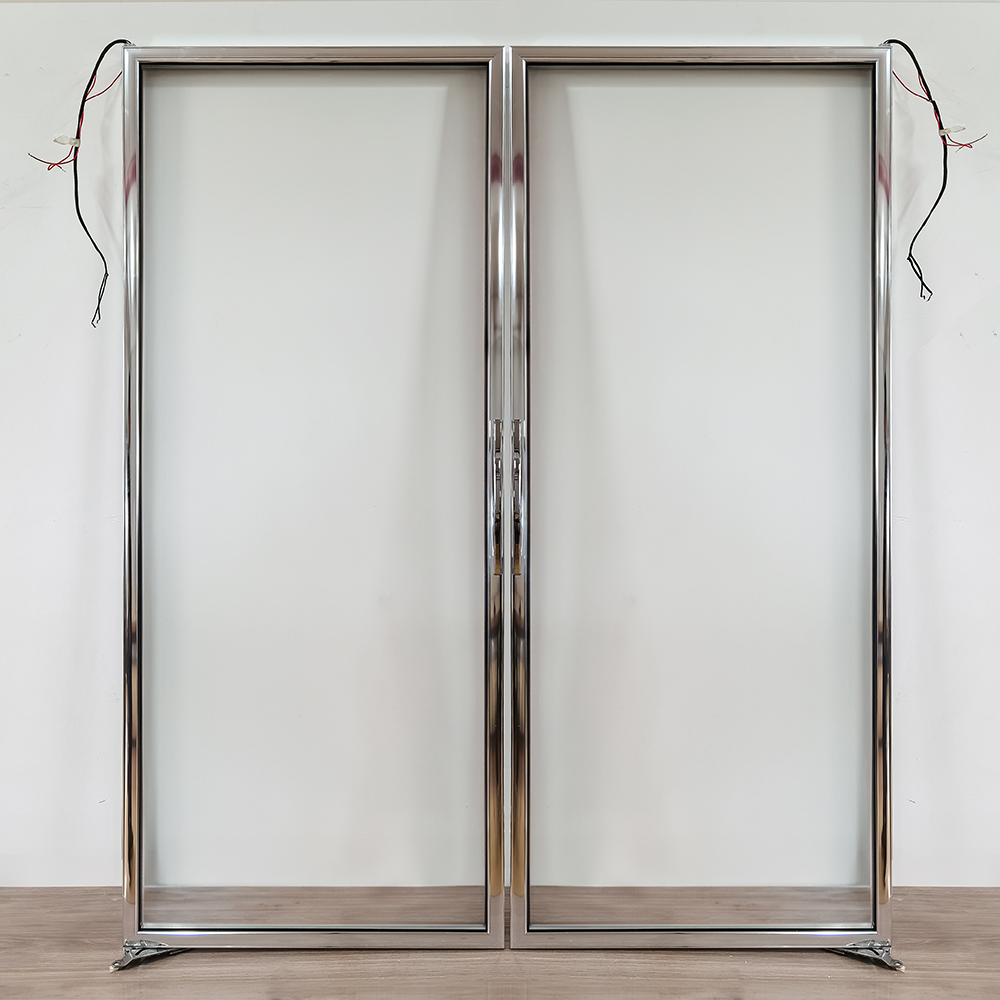
Premium Chiller Glass Doors for Walk-In Coolers and Freezers
-

Premium Aluminum Frameless Freezer Glass Door | Kinginglass
-
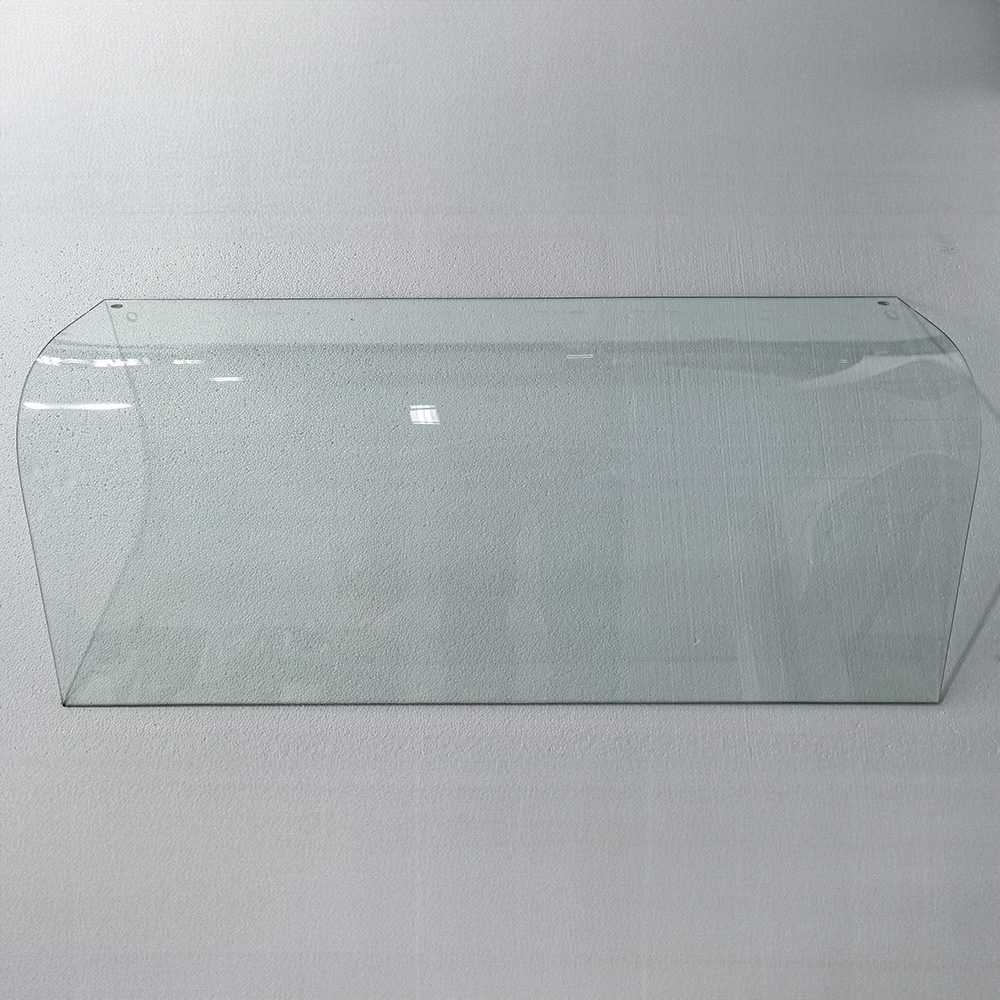
Durable and Reliable Freezing Cabinet Glass Doors | KinginGlass
-
High-Quality Chest Freezer Sliding Top | Kinginglass
-

Walk-in Cooler Glass Door by Manufacturer | Coolers Glass